
A Gentle Guide to Pelvic Floor Awareness and Support
Summary
・Evaluating your everyday core alignment early helps prevent localized strain and structural laxity.
・Simple self-assessments can reveal subtle changes in lower abdominal support and muscle engagement.
・Common lifestyle habits, such as repetitive lifting or sitting for long hours, gradually impact core elasticity.
・Daily muscle exercises are highly effective when practiced consistently as a proactive habit.
・Incorporating specialized supportive garments helps maintain natural posture and physical confidence.

Table of Contents

Have you recently noticed subtle changes in your body, such as a feeling of lower abdominal heaviness during long walks, or a sense that your posture isn’t as upright as it used to be? It is common for women to wonder if their deep core tissues are losing their natural elasticity, especially during significant life transitions.
The pelvic core functions as an internal hammock at the base of your pelvis, working continuously beneath the surface to support your internal architecture and keep your trunk stable. When these deep muscles soften, it can lead to postural shifts, a less secure lower silhouette, and minor everyday discomfort.
Conducting a gentle, proactive self-assessment allows you to understand your current physical state. Recognizing these signs early ensures you can introduce simple, reliable lifestyle habits to protect your daily freedom and body alignment.
Everyday Signs of Deep Core Softening
Review the following indicators to check if your deep pelvic core could benefit from targeted care and reinforcement.
Check list
- Feel a lingering sense of lower abdominal heaviness or shifting pressure by the end of a busy day.
- Notice that water sometimes feels as though it lingers internally after a bath or swimming.
- Feel that your gluteal silhouette has gradually softened or changed over time.
- Find your knees naturally widening or drifting apart when sitting in a chair.
- Experience minor, unexpected physical leaks when coughing, laughing, or sneezing.
- Feel a sudden shift in lower core stability when jumping, running, or exercising.
- Notice a momentary loss of core control when lifting heavy household items or packages.
- Find yourself managing sudden or increasingly frequent trips to the restroom throughout the day.
- Experience a physical sensation of friction, dragging, or feeling less secure near your pelvic opening.
Interactive Physical Checks for Deep Muscle Function
Beyond noticing everyday signs, you can perform two simple physical movements at home to gauge the current flexibility and engagement of your deep core.
The Relaxation and Flexibility Check
-
Lie down comfortably on your side, curling your body slightly with your knees gently bent.
-
Place your fingers lightly on the inside edge of your sit bones (the lower bones you feel when sitting upright).
-
Apply gentle, outward pressure to the area and note your physical sensation.
If the touch feels comfortable and free of tension, your deep core tissues likely retain healthy flexibility. If you experience localized tightness or mild discomfort, it indicates the muscles may be overly fatigued, stiff, or struggling to fully relax.
The Lift and Engagement Check
-
Sit upright on the edge of a sturdy chair with both feet resting flat on the floor.
-
Place your hands lightly beneath your glutes or your lower pelvic area.
-
Gently contract your internal muscles, imagining a smooth upward and inward lift (as if slowly stopping gas).
-
Feel for a noticeable, symmetrical contraction beneath your hands.
If you struggle to feel a clear internal lift, or if you notice a significant difference in strength between the left and right sides, your deep core may not be activating evenly during daily movements.
Recognizing Everyday Factors That Lower Core Elasticity
Understanding what accelerates deep muscle fatigue allows you to adapt your routine proactively. Damage and continuous strain can accumulate over time due to several key lifestyle factors:
-
Natural Life Transitions: Pregnancy, childbirth, and the hormonal shifts of menopause naturally alter tissue composition and lower baseline collagen production.
-
Repetitive Physical Weight: Holding a occupation that demands heavy lifting, or dealing with chronic digestive strain, exerts constant downward pressure on your pelvic architecture.
-
Sedentary Habits: A lack of regular physical activity or spending long hours sitting at a desk can lead to minor muscular atrophy in the lower abdomen.
Proactive Methods to Rebuild and Support Your Core
If your self-assessment suggests your lower core could use extra care, introducing a two-part approach combining active movement with gentle external support can help you regain physical confidence.
Consistent Deep Core Training
-
Lie flat on your back with your body fully relaxed and knees softly bent.
-
Gently engage your internal pelvic muscles, drawing them upward and inward, and hold for 2 to 3 seconds.
-
Slowly release the contraction completely.
-
Rest and breathe naturally for approximately 6 seconds.
-
Repeat this simple cycle 10 times to complete one set. Aim for 3 sets daily.
Integrating Supportive Wellness Garments
While building muscular endurance takes time, protecting your body from daily physical fatigue is just as essential. Introducing a specialized garment like Femicushion Happiness into your wardrobe offers a beautiful, effortless solution.
Designed to look and feel exactly like premium, stylish standard underwear, it features a gentle, supportive contoured element that provides comfortable external compression exactly where it is needed. By lifting the lower abdomen and relieving the constant downward pull of gravity, it helps active individuals, professionals, and runners protect their core alignment throughout the day.
[Discover How Femicushion Happiness Works]

Supervising Doctor of This Article
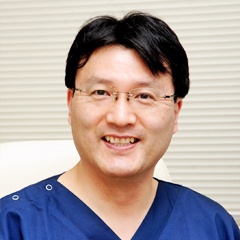
Koichi Nagao, MD PhD
Professor, Department of Urology, Toho University Faculty of Medicine
Director of Urinary tract reconstruction center, Toho University Omori Medical Center
Director of Reproduction Center, Toho University Omori Medical Center
Professor Nagao specializes in plastic surgery in the field of reproductive medicine. He completed eight years of plastic surgery training at Showa University before majoring in urology at Toho University. With his meticulous surgical techniques and careful examinations that combines urology and plastic surgery, Professor Nagao became a Board Certified Specialist with multiple associations including the Japanese Urological Association, the Japan Society for Reproductive Medicine, and the Japanese Society for Sexual Medicine.