
Sex Life With Pelvic Organ Prolapse

Sex is a very personal matter and it can be hard to talk about especially if you are having trouble or concerns about it. Many women often battle with insecurities that followed them into the bedroom making it difficult to truly enjoy the moment. Does my partner like how I look? Do I look fat? Am I pretty enough? These are very common questions women ask themselves when being intimate with their partner. Being diagnosed with pelvic organ prolapse can add to those insecurities and cause more stress which can make sex not as enjoyable.




 Prolapso de órgão pélvico pode ser um tópico desconfortável para conversar, o que é completamente compreensível. Embora o prolapso de órgão pélvico não seja uma ameaça à vida, ele pode causar muita dor e desconforto para aqueles que lutam contra ele. Quando o assoalho pélvico não suporta mais os órgãos pélvicos - como vagina, colo do útero, útero, bexiga, uretra e reto - seu médico pode diagnosticar prolapso de órgão pélvico.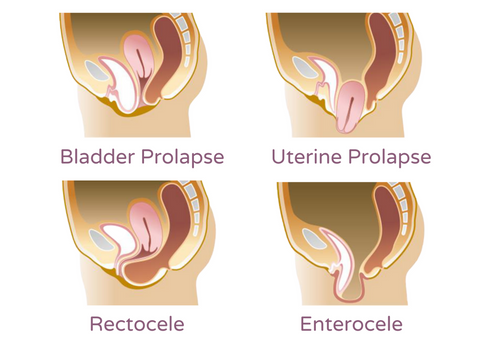


 O prolapso da bexiga é o tipo mais comum de prolapso do órgão pélvico. É uma condição em que a bexiga cai na vagina causando dor, problemas urinários e outras complicações. Deve ser diagnosticado e tratado o mais cedo possível, pois deixá-lo sozinho irá provavelmente piorar a condição.